Accident Basics
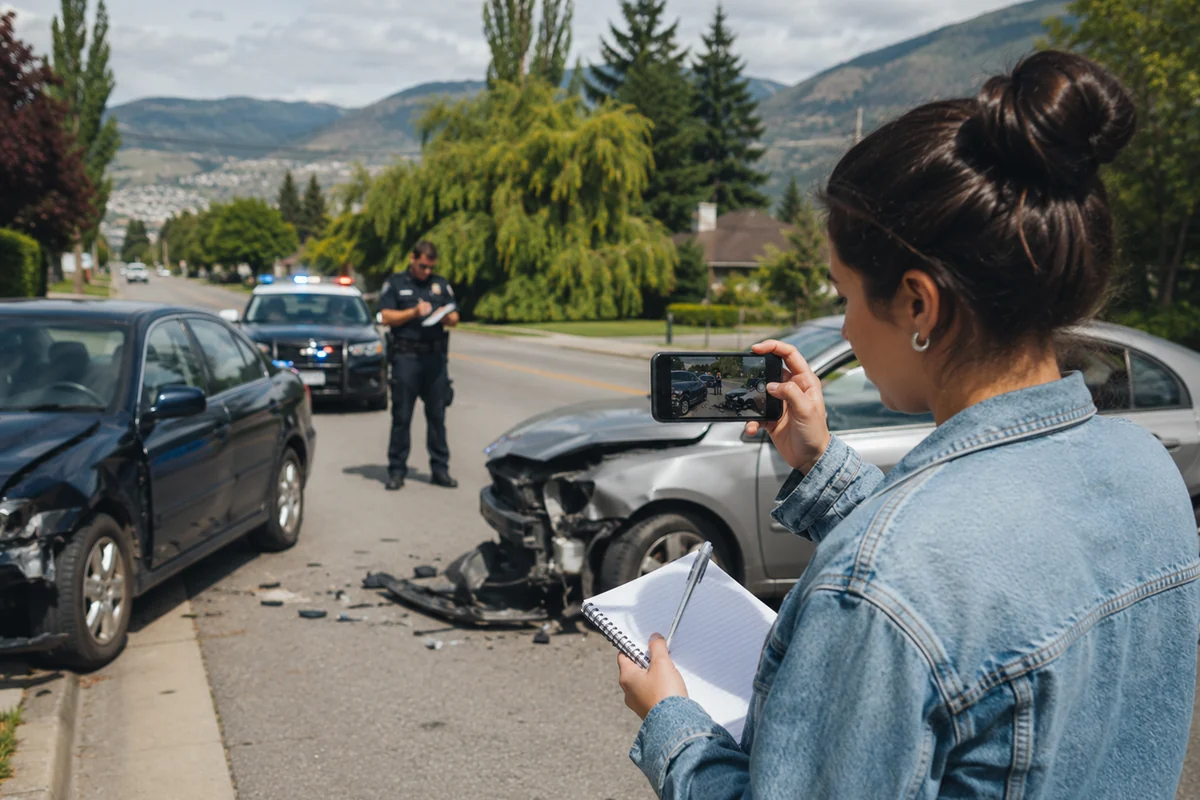
After a Kelowna Car Accident: Information to Save in the First 48 Hours
A practical first-48-hours checklist for preserving photos, contact details, notes, and documents after a crash.
Read guide →Practical, independent guides for organizing accident evidence, treatment notes, vehicle records, ICBC communications, and questions before speaking with a legal professional.
Every article below has its own newly generated image and focuses on one concrete organization problem.
A practical first-48-hours checklist for preserving photos, contact details, notes, and documents after a crash.
Read guide →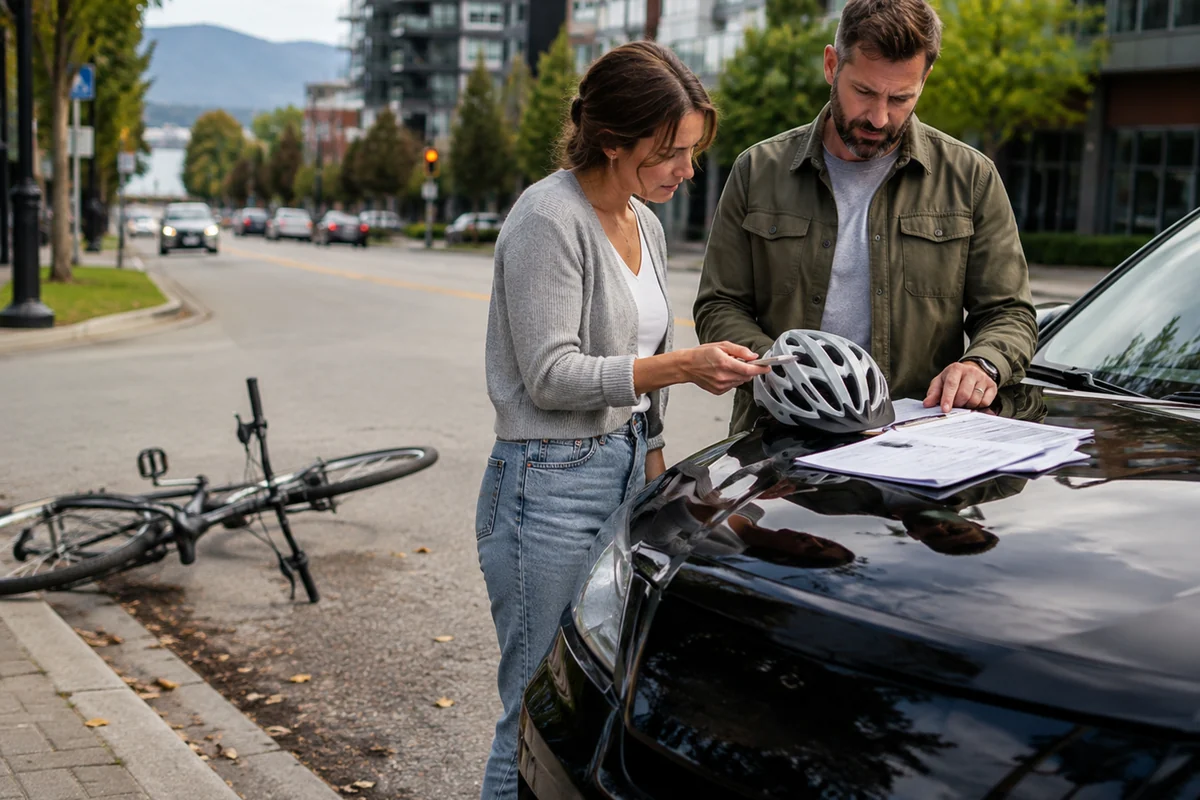
How to build a simple evidence file without turning your phone and paperwork into an unmanageable archive.
Read guide →
A folder system for correspondence, treatment notes, expenses, vehicle records, and personal timelines.
Read guide →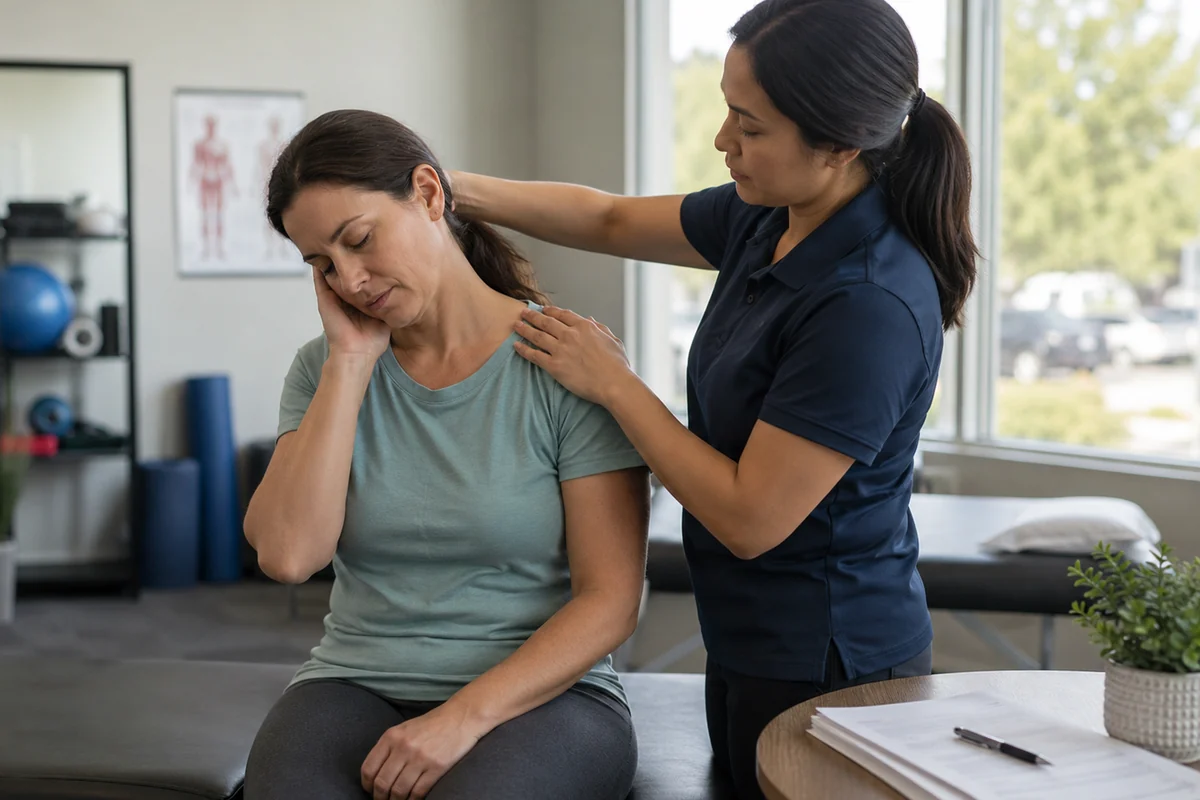
A practical approach to tracking symptoms, appointments, daily limitations, and recovery without exaggeration.
Read guide →
A clean checklist for making a first legal conversation more efficient and easier to follow.
For a collision in Hamilton, Ontario, discuss your records with a Personal injury lawyer Hamilton familiar with that location.
Read guide →
How repair estimates, photographs, towing documents, and vehicle-use notes can be organized in one file.
Read guide →
A general evidence checklist for pedestrians and families after a traffic incident at or near a crossing.
Read guide →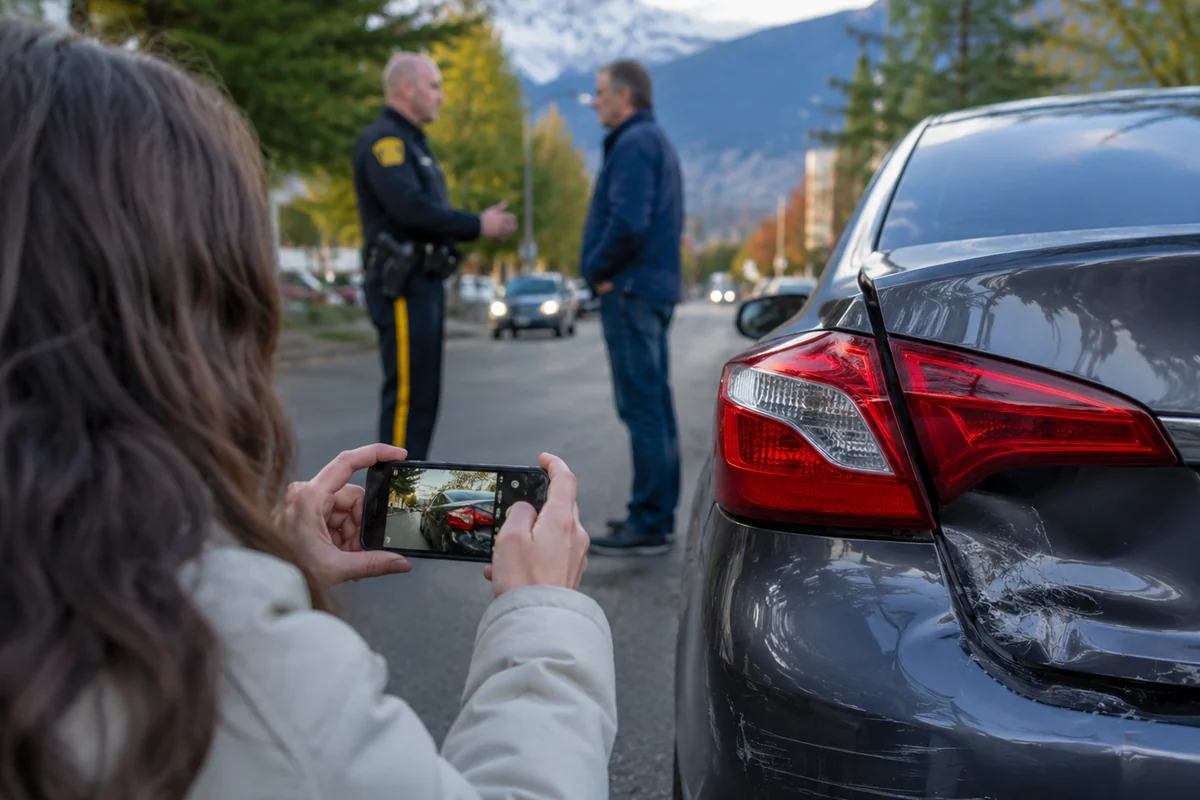
How cyclists can organize scene photos, bicycle damage, helmet information, treatment notes, and transportation expenses.
Read guide →
A simple way to track calls, emails, requests, documents sent, and follow-up items without relying on memory.
Read guide →
A straightforward chronology format for collision, treatment, vehicle, expense, and insurer events.
Read guide →Preserve original photographs, correspondence, estimates, and treatment paperwork before creating summaries.
Dates, names, and one-line descriptions are easier to maintain and easier for someone else to review.
A factual file helps health professionals, insurers, and legal professionals understand what happened without extra noise.